What Is Regenerative Medicine?

At MD MedSpa in Redmond, WA, Regenerative Medicine offers an ideal, non-invasive solution for individuals seeking to manage pain, recover from injuries, or avoid surgical interventions. Our regenerative medicine therapies use the body’s own recovery mechanisms to promote natural tissue regeneration, reduce inflammation, and restore function to damaged areas. For individuals with chronic conditions like tennis elbow or plantar fasciitis, these treatments offer a non-surgical approach that supports long-term recovery. MD MedSpa’s offerings also include exosome therapy, a cutting-edge option designed to enhance tissue repair at a cellular level, potentially providing even faster results for suitable candidates. Regenerative medicine is a cutting-edge field focused on healing or replacing damaged tissues and organs using the body’s natural healing processes. It involves the use of stem cells, platelet-rich plasma (PRP), and other biologic therapies to stimulate tissue repair, reduce inflammation, and restore function. This innovative approach can treat a wide range of conditions, including joint pain, tendon injuries, and chronic diseases, by promoting the regeneration of damaged tissues. Regenerative medicine aims to offer non-surgical, minimally invasive alternatives to traditional treatments, helping individuals recover more effectively and enjoy improved quality of life.
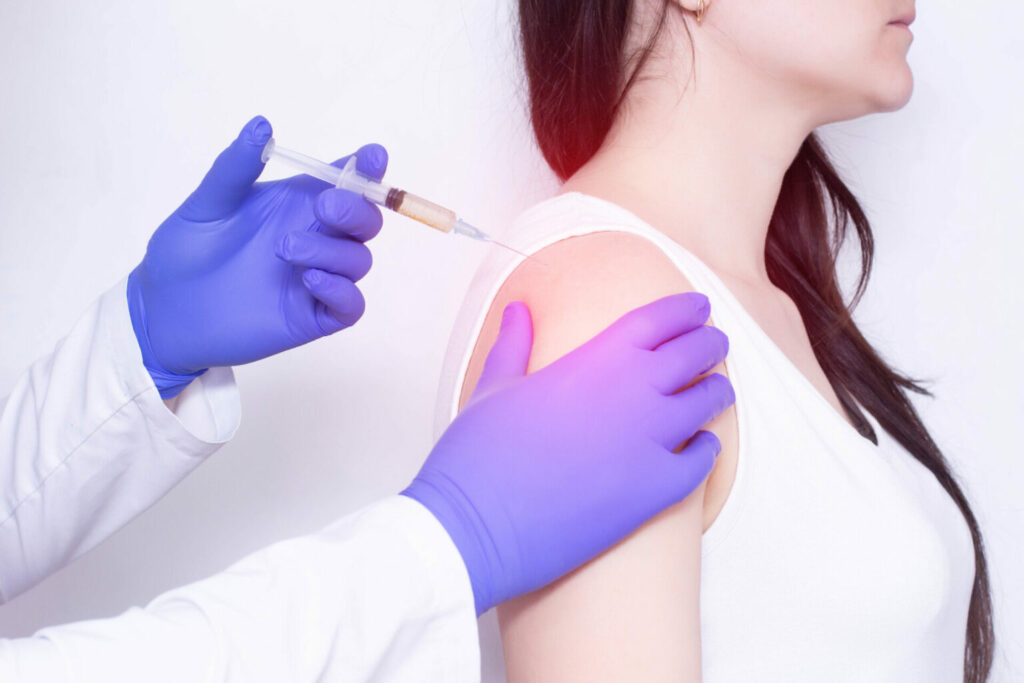
Ideal candidates for this approach include those with chronic joint pain, tendon injuries, or muscle strain from sports-related activities or everyday wear. Our advanced treatments, such as Platelet-Rich Plasma (PRP) and Platelet-Rich Fibrin (PRF) therapy, target knee and shoulder joints and other affected areas to accelerate healing. These sessions are relatively quick, generally lasting about 30 to 60 minutes, with minimal downtime—patients can often resume regular activities within a day or two. However, full recovery benefits unfold gradually over weeks to months. Book an appointment with MD MedSpa today to learn more about how regenerative medicine can support your healing journey.
Treatment Areas
Regenerative medicine can help alleviate pain from osteoarthritis, ligament injuries, or cartilage damage, promoting healing and reducing discomfort.
Effective for treating rotator cuff tears, tendinitis, and shoulder instability, helping to restore mobility and function.
Regenerative therapies can target spinal disc injuries, muscle strains, and lower back pain, promoting healing and reducing inflammation.
Ideal for conditions like tennis elbow or golfer’s elbow, regenerative treatments support tissue regeneration and reduce pain.
Regenerative treatments can aid in healing hip joint injuries and arthritis, improving function and reducing pain.
Useful for treating sprains, tendon injuries, and conditions like plantar fasciitis, promoting healing and mobility.
Effective for conditions like arthritis, carpal tunnel syndrome, and ligament injuries, regenerative medicine can restore function and alleviate pain.
Regenerative treatments help accelerate healing of damaged tendons in various body areas, improving function and reducing pain.
Regenerative medicine is commonly used for treating sports-related injuries such as ligament sprains, muscle strains, and joint injuries, promoting faster recovery.
Regenerative medicine can assist in managing chronic pain conditions, offering a non-surgical approach for long-term relief.
Benefits of Natural Healing Treatments
- Accelerates healing of joints, muscles, and tendons
- Helps avoid surgery and long recovery periods
- Enhances recovery from sports-related injuries
- Customized care plans for individual needs
- Reduces the need for pain medications and long-term treatments
- Reduces inflammation and alleviates chronic pain
- Improves mobility and restores function
- Safe, non-invasive treatments with minimal downtime
- Improves overall quality of life by restoring function and comfort
- Can be combined with other therapies for enhanced outcomes
- Promotes natural tissue repair and regeneration
- Suitable for conditions like tennis elbow and plantar fasciitis
- Long-lasting benefits with gradual improvements
- Enhances tissue strength and flexibility
- Non-surgical option for individuals seeking alternatives to traditional methods.
Frequently Asked Questions
How long does a regenerative medicine session take?
Session times vary based on the treatment area and type of therapy, but most procedures last between 30 and 60 minutes.
Is regenerative medicine safe?
Yes, regenerative medicine treatments are generally safe. Because they use the body’s natural components, there’s minimal risk of adverse reactions.
When will I see results from regenerative medicine treatments?
Many patients start to notice improvements within a few weeks, with optimal results developing over the following months as tissues heal and regenerate.
How long do the results of regenerative medicine last?
Results can last from several months to years, depending on the condition treated and individual health practices. Periodic follow-up treatments can help sustain long-term benefits.
What should I avoid before my regenerative medicine treatment?
It’s best to avoid anti-inflammatory medications and alcohol for at least 48 hours before treatment to enhance the body’s natural healing response.
Are there any side effects to regenerative medicine treatments?
Mild swelling, redness, or slight discomfort at the injection site may occur, but these effects typically resolve within a few days.